

Finding Balance: Mindfulness in Mountains
As the rhythm of modern life accelerates, finding moments of serenity has become increasingly vital. Engaging with mindfulness in the breathtaking embrace of mountain landscapes can provide a transformative escape for the mind and spirit.
What You Will Learn
- Mindfulness is a practice that enhances the appreciation of the present moment, particularly in natural settings like mountains.
- Spending time in mountain environments can significantly improve mental well-being and foster a sense of calm.
- Nature therapy, especially in mountainous areas, can alleviate anxiety and depression while promoting physical activity.
- Participating in mindfulness retreats in the mountains can deepen your practice and connect you with like-minded individuals.
Understanding Mindfulness in Mountain Environments
In today’s fast-paced world, mindfulness has become a valuable tool for many seeking to reconnect with themselves and their surroundings. But what does it truly mean to be mindful, especially in majestic mountain environments? Mindfulness, at its core, involves being fully present in the moment, allowing us to appreciate the beauty and tranquility around us. When we blend this mindful practice with nature, particularly in mountainous landscapes, it can deepen our experience and enhance our overall well-being.
Studies suggest that spending time in nature can significantly impact our mental state. For instance, research highlights how engaging with natural environments can reduce stress and improve mood. The sights, sounds, and smells of the mountains create an ideal backdrop for practicing mindfulness. This connection fosters a sense of calm and clarity, helping to quiet the mind and enhance our awareness. By immersing ourselves in these stunning surroundings, we naturally cultivate mindfulness.
What is Mindfulness and Its Connection to Nature?
Mindfulness is more than just a practice; it’s a way of life. It encourages us to focus on the present rather than getting lost in worries about the past or future. When practiced in nature, particularly in mountain settings, it becomes even more enriching. Here are some key points highlighting this connection:
- Nature provides a serene environment that promotes relaxation.
- Mountain landscapes inspire awe, encouraging us to appreciate beauty.
- The natural sounds and sights help anchor our attention to the present.
As we take in the fresh mountain air and absorb the stunning vistas, we align ourselves with the present moment. This practice leads to a profound sense of peace and a deeper connection to our surroundings. It’s worth noting that while mindfulness is widely beneficial, individual experiences can vary, and it’s essential to find what works best for you.
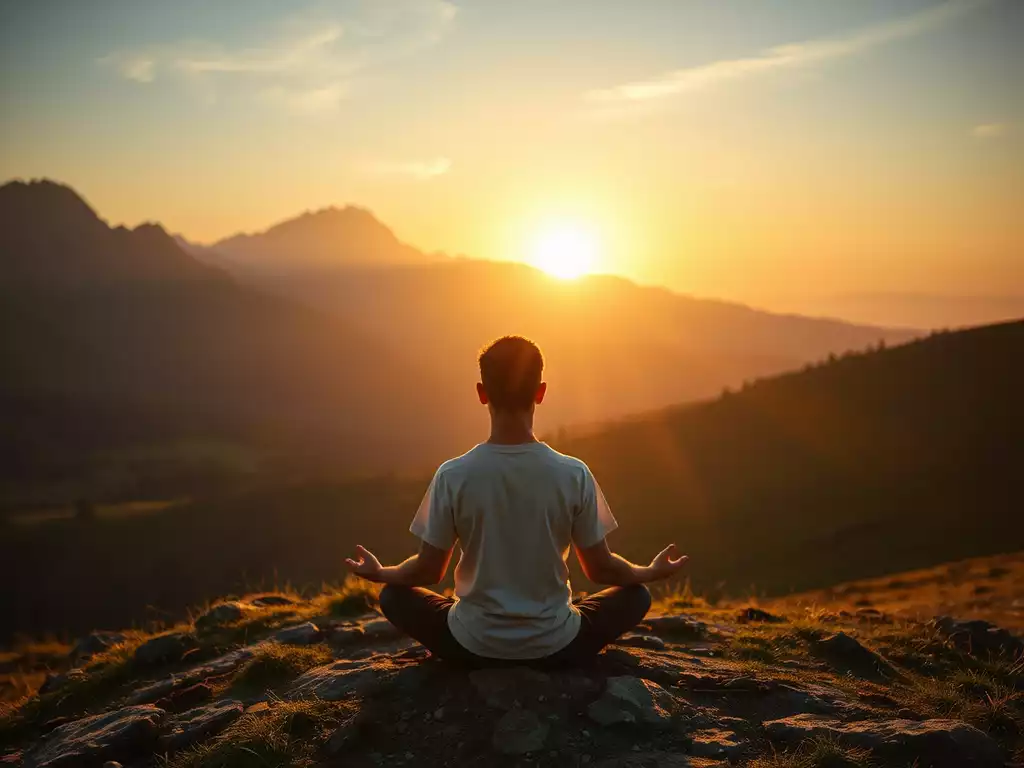
The Role of Mountain Landscapes in Enhancing Mindfulness Experiences
Mountain landscapes offer unique features that enhance our mindfulness practice. The elevation, open spaces, and natural beauty create an atmosphere that is both calming and invigorating. Here are some ways that mountains can elevate our mindful experiences:
- The vastness of mountains can instill a sense of perspective, encouraging us to reflect.
- The challenges of mountain terrain can teach resilience and patience.
- Natural elements, such as flowing streams and rustling leaves, enhance sensory awareness.
In these environments, every hike and vista becomes a mindfulness exercise, helping us to stay grounded while fostering a sense of wonder and appreciation for the present.
The Importance of Nature Therapy in Mountain Settings
Nature therapy, also known as ecotherapy, is increasingly recognized for its benefits to mental health. In mountain environments, this form of therapy can be particularly effective. Here’s why:
- Access to fresh air and natural light can boost mood and energy levels.
- Engaging with the environment can reduce symptoms of anxiety and depression.
- Mountain settings encourage physical activity, which is beneficial for emotional well-being.
Integrating nature therapy into our lives, especially in the mountains, can provide a holistic approach to mental health. It promotes healing through both physical activity and the calming presence of nature, creating a symbiotic relationship between the individual and the environment. The National Center for Complementary and Integrative Health provides further insights into the effectiveness and safety of meditation and mindfulness practices.
Pro Tip
Did you know? Incorporating simple breathing exercises while hiking can enhance your mindfulness practice. Take a moment to pause, close your eyes, and focus on your breath. Inhale deeply, hold for a few seconds, and exhale slowly. This not only centers your thoughts but also connects you more deeply to the mountain environment.
Summarizing the Benefits of Mindfulness in the Mountains
Practicing mindfulness in the mountains offers a multitude of benefits that align beautifully with nature’s calming influence. By immersing ourselves in these stunning landscapes, we can enhance our sense of well-being and reconnect with our inner selves. This connection not only nurtures our physical and emotional health but also fosters a profound sense of peace.
As I reflect on my own mindfulness journey amidst the mountains, I realize how each hike or moment of stillness has contributed to my overall wellness. The crisp air, the breathtaking views, and the gentle rustle of leaves help me center my thoughts and embrace the present moment.
Reflecting on Your Mindfulness Journey in Nature
When considering your own mindfulness journey, it’s helpful to take a moment and reflect on the experiences you’ve had in nature. Here are some prompts to guide your reflection:
- What feelings arise when you think about your time spent in the mountains?
- Which mindfulness practices resonate most with you?
- How has nature influenced your emotional and physical health?
- What specific moments stand out as transformative for you?
Journaling your thoughts can be an effective way to capture these reflections. By documenting your experiences, you can track your progress, deepen your understanding, and celebrate the positive changes mindfulness brings to your life.
Frequently Asked Questions About Mindfulness in Mountain Environments
What is mindfulness?
How do mountain environments enhance mindfulness?
What are the benefits of nature therapy in mountain settings?
How can I deepen my mindfulness practice in the mountains?
What should I look for when choosing a mindfulness retreat in the mountains?
Engaging with Mindfulness Retreats and Community Resources
Participating in mindfulness retreats can be an incredible way to deepen your practice and connect with others who share your passion for nature and wellness. These retreats often take place in serene mountain settings, providing the perfect backdrop for introspection and growth. They also offer structured activities that help you explore various mindfulness techniques.
Finding the right retreat can seem daunting, but focusing on your preferences will help narrow your options. Consider what kind of experience you’re seeking, such as guided meditation, yoga, or nature walks.
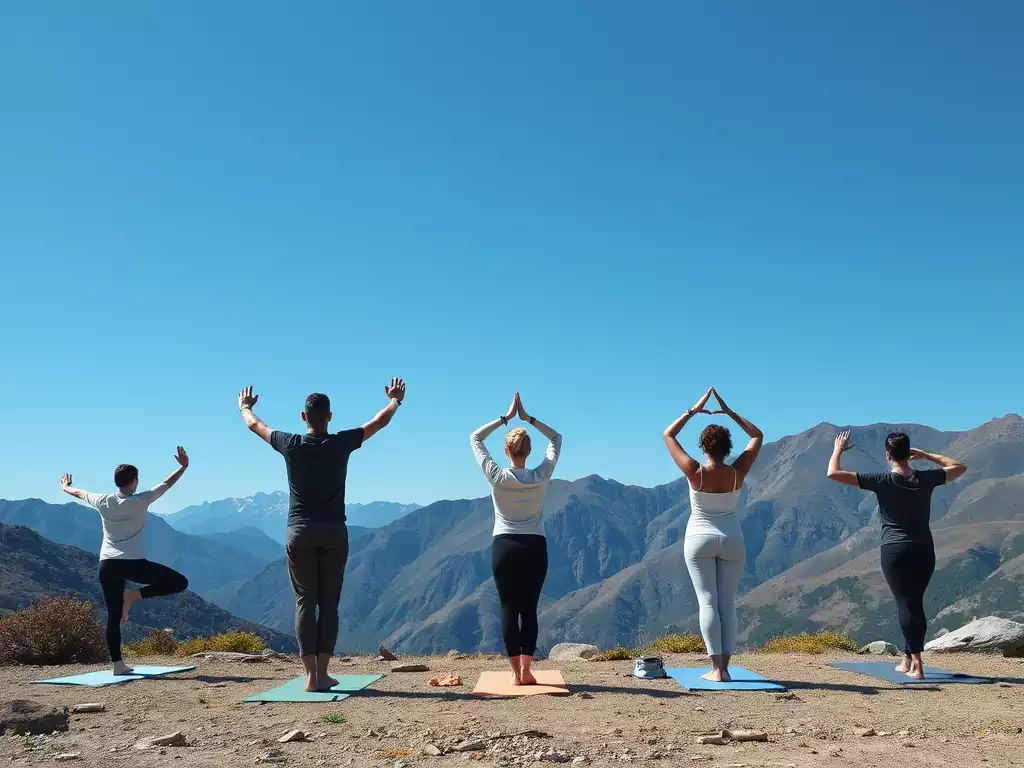
Finding the Right Mindfulness Retreat in Mountain Locations
Here are some key factors to consider when searching for a mindfulness retreat:
- Location: Choose a mountain area that resonates with you.
- Focus: Look for retreats that highlight mindfulness practices you’re interested in.
- Duration: Decide how much time you can dedicate to the retreat.
- Community: Consider the size of the group and the potential for connection with fellow participants.
By prioritizing these aspects, you’ll be able to find a retreat that aligns perfectly with your goals for mindfulness and wellness.
Join the Community: Sharing Experiences and Insights on Mindfulness
Connecting with others is a vital aspect of mindfulness practice. Sharing your experiences not only enhances your personal journey but also strengthens the community. Here’s how you can engage:
- Join local mindfulness groups or online forums.
- Attend workshops and classes focused on mindfulness and nature.
- Participate in discussions during retreats to exchange insights.
These interactions can foster lasting connections and provide support as you navigate your mindfulness path.
Exploring Outdoor Yoga and Wellness Workshops in Mountain Retreats
Outdoor yoga sessions in mountain settings can greatly enhance your mindfulness practice. These workshops combine the benefits of yoga with the calming presence of nature, creating a holistic experience. Consider the following benefits:
- Improved physical flexibility and strength.
- Increased awareness of your surroundings.
- Enhanced relaxation through nature immersion.
Participating in these workshops allows you to integrate mindfulness into your physical practice, creating a nurturing environment for both body and mind.
Recap of Key Points
Here is a quick recap of the important points discussed in the article:
- Mindfulness Defined: Mindfulness is about being fully present in the moment, enhancing our awareness and appreciation of nature.
- Nature’s Role: Mountain environments foster a calming atmosphere that enhances mindfulness practices through natural beauty and sensory experiences.
- Nature Therapy Benefits: Engaging in nature therapy in mountains can improve mental health, reduce anxiety, and encourage physical activity.
- Retention of Experiences: Reflecting on personal experiences in nature can deepen mindfulness practices and track emotional growth.
- Community Engagement: Participating in mindfulness retreats and workshops can strengthen your practice and build connections with like-minded individuals.
- Outdoor Yoga: Combining yoga with mountain settings enhances both physical and mental well-being, promoting relaxation and awareness.