
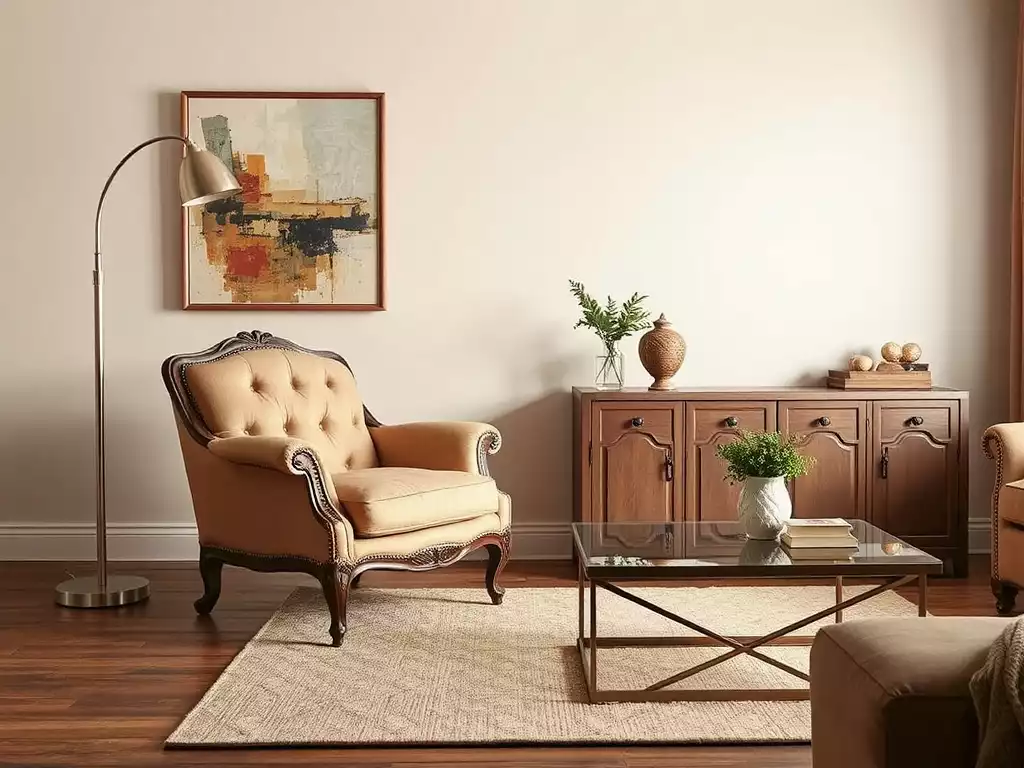
Blending Classic Charm with Modern Design
Blending classic charm with contemporary design can transform your living space into something truly unique. As you explore this fusion, remember that it’s not just about aesthetics—it’s about creating a home that resonates with your personal style and values.
What You Will Learn
- Key elements of classic design include rich textures, intricate detailing, and warm color palettes.
- Contemporary design focuses on clean lines, minimal decoration, and a neutral or bold color scheme.
- Merging these styles creates personalized spaces that reflect individual taste and values.
- The fusion of classic and contemporary design enhances emotional connections to home while bridging generational preferences.
- Incorporating eco-friendly materials and smart technology can further enhance the blend of these styles.
Understanding the Fusion of Classic Charm and Contemporary Design
When we talk about design, classic charm and contemporary design often come to mind as two distinct styles. Each has its own unique characteristics and aesthetics that reflect different time periods and values. Classic design typically features elements like intricate details, rich colors, and well-crafted materials, while contemporary design leans towards minimalism, open spaces, and a focus on functionality.
Classic design is often marked by timeless elegance and historical influences, which can be seen in traditional furniture, ornate moldings, and vintage decor. Contemporary design, on the other hand, embraces current trends and technology, incorporating sleek lines and a neutral palette. The beauty of merging these two styles lies in their contrasts, creating a space that feels both welcoming and modern, as highlighted by examples of historic and modern architecture coming together.

Defining Classic and Contemporary Design Elements
To truly understand how to blend these styles, it’s important to first identify their key elements. Below are some defining features of each:
- Classic Design: Features rich textures, intricate detailing, and warm color palettes.
- Contemporary Design: Emphasizes clean lines, minimal decoration, and neutral or bold colors.
- Furniture: Classic furniture often has elaborate carvings, while contemporary pieces are simple and functional.
- Materials: Classic styles use traditional materials like wood, while contemporary designs may incorporate glass and metal.
Combining these elements allows you to create a cohesive aesthetic that respects the past while embracing the present. For example, you might pair a vintage wooden table with sleek metal chairs, striking a balance that feels fresh yet familiar. This approach showcases the synergy between various architectural styles.
The Allure of Blending Two Distinct Styles
The appeal of mixing classic and contemporary design lies in the personality it injects into a space. By introducing classic elements, such as an antique chandelier, into a modern context, you create a sense of history that enriches the overall atmosphere. This fusion can tell a story about your style and values, showcasing your appreciation for both tradition and innovation. The timeless influence of traditional architecture on modern interior design is a testament to this appeal.
Moreover, blending these styles can lead to unique, personalized spaces that reflect your individual taste. Here are some reasons why many homeowners are drawn to this approach:
- Creates a dynamic and engaging living environment.
- Offers limitless opportunities for customization.
- Enhances the emotional connection to your home.
- Bridges generational preferences in design.
Ultimately, the fusion of classic and contemporary design is not just about aesthetics; it’s about creating a home that resonates with who you are. By thoughtfully combining these styles, you can curate spaces that feel both timeless and current.
We Want to Hear From You!
How do you feel about blending classic and contemporary design in your own spaces? Share your thoughts below:
Frequently Asked Questions About Blending Design Styles
What are the key differences between classic and contemporary design?
Why should I consider blending classic and contemporary styles in my home?

How can I start blending classic and contemporary elements without overwhelming my space?
What role do trends like sustainable design and smart technology play in this fusion?
Where can I find more inspiration and resources for blending design styles?
Summarizing the Art of Blending Design Styles
As we wrap up our discussion on the fusion of classic charm and contemporary design, it’s important to highlight the key concepts we’ve explored. Merging these two styles not only creates a visually stunning space but also reflects your unique personality and taste. By understanding the fundamental elements of both design styles, you can achieve a home that tells a story of both history and modernity.
We’ve seen how classic pieces can bring warmth and character, while contemporary elements add a fresh and modern touch. It’s this blend that makes your space truly one-of-a-kind. Remember, it’s all about balance and finding that sweet spot where both styles coexist harmoniously.
Encouraging Exploration of Personal Style
I encourage you to take the insights we’ve shared and apply them in your own living spaces! Experimenting with the blend of classic and contemporary elements can lead to exciting discoveries. You might find that a vintage chair paired with a sleek modern table creates an unexpected yet delightful focal point in your home.
- Start small: Incorporate one or two classic pieces in your contemporary space.
- Play with colors: Choose a color palette that unites both styles.
- Accessorize: Use artwork or decor that showcases the blend of both worlds.
Ultimately, the goal is to create a space that feels authentic to you. So go ahead, let your creativity flow, and have fun with this blending process!
Further Resources and Recommendations
To deepen your understanding and enhance your journey into blending classic and contemporary designs, here are some recommended resources and products:
- Books: “Designing Your Life” by Bill Burnett and Dave Evans
- Websites: Visit Houzz for design inspiration and ideas.
- Design Services: Consider hiring an interior designer to help you achieve the perfect blend.
These resources will provide you with valuable insights and tools to help you curate a beautiful space that reflects your unique style and the art of blending classic and contemporary design.
Exploring Design Trends and Influences
As you embark on this design journey, it’s helpful to stay informed about current trends that influence the fusion of classic and contemporary styles. For instance, sustainable design practices are becoming increasingly popular, urging us to choose materials that are both stylish and eco-friendly. Smart home technology also offers modern conveniences that can be seamlessly integrated into traditional settings.
- Look for eco-friendly materials, such as reclaimed wood or recycled textiles.
- Incorporate smart devices that blend with your décor, ensuring they match the aesthetic.
- Keep an eye on color trends that can bridge the gap between classic and contemporary.
By embracing these trends, you not only enhance your space but also contribute to a more sustainable future. So, dive into these design influences and let them inspire your unique blend of styles!
Recap of Key Points
Here is a quick recap of the important points discussed in the article:
- Classic Design: Rich textures, intricate detailing, and warm color palettes.
- Contemporary Design: Clean lines, minimal decoration, and a focus on functionality.
- Blending Styles: Merging classic and contemporary creates a unique and personalized space.
- Experimentation: Start small and incorporate one or two classic pieces into a contemporary setting.
- Stay Informed: Keep an eye on trends like sustainable design and smart home technology.