

Preserving Charm in Modern Upgrades
Modernizing historic homes requires a delicate balance between preserving their unique charm and adapting to contemporary needs. As homeowners embark on this rewarding journey, understanding the key principles of preservation can significantly enhance their renovation efforts.
What You Will Learn
- Preserving historic charm enhances cultural significance and market value.
- Careful planning and expert consultation are essential for successful modernization.
- Incremental changes allow for adjustments while respecting the home’s architectural integrity.
- Engaging with local preservation boards fosters community involvement and support.
- Understanding a property’s historical significance informs better renovation decisions.
- Financial incentives may be available for homeowners focused on preservation efforts.
Understanding the Challenge of Modernizing Historic Homes
Modernizing historic homes can be a delicate dance between preserving the charm of the past and embracing the conveniences of the present. Homeowners often face the challenge of updating their spaces without sacrificing the unique character that makes these properties special. Historic preservation is not just about keeping old structures intact; it’s about finding a way to honor the past while enhancing livability for today’s lifestyles.
As I navigate my own journey of home renovation, I’ve learned that this process requires a thoughtful approach. Balancing authenticity with modern needs can be daunting, but it’s also incredibly rewarding. By prioritizing both aesthetics and functionality, we can create spaces that tell a story while serving contemporary lifestyles.
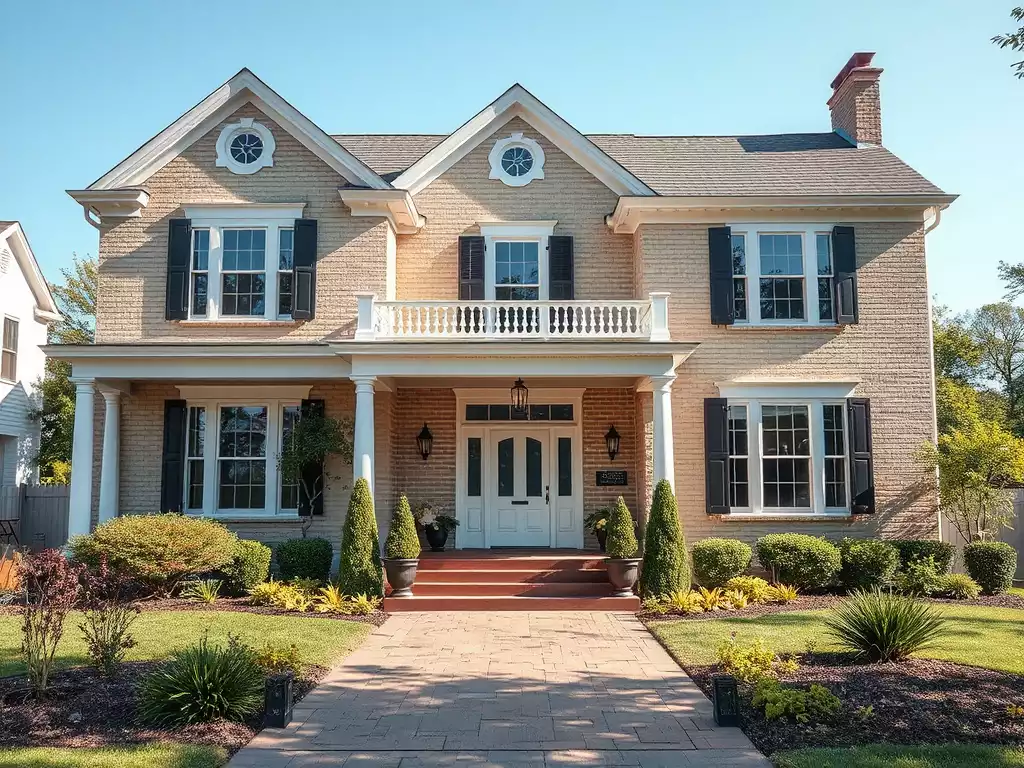
Why Preserve Historic Charm While Modernizing?
Preserving the historic charm of a home is essential for several reasons. First and foremost, it honors the rich history embedded in the architecture. Here are a few more reasons why it’s important:
- Cultural Significance: Historic homes often reflect the cultural heritage of a community.
- Market Value: Properties that retain their character typically maintain higher market values.
- Community Identity: They contribute to the unique identity of neighborhoods, making them more appealing.
By incorporating modern upgrades while respecting the original features, we can maintain these essential qualities that define our communities. It’s about creating a bridge between eras!
Navigating the Balance Between Tradition and Innovation
The challenge of modernization lies in striking a balance between tradition and innovation. Homeowners can achieve this by considering the following methods:
- Careful Planning: Assess which elements are essential to the home’s character and which can be modernized.
- Expert Consultation: Engaging with architects and preservationists can provide valuable insights.
- Incremental Changes: Implementing changes gradually allows for adjustments based on what works and what doesn’t.
When I modernized my own historic home, I found that small, intentional upgrades made a huge difference without overwhelming the architectural integrity. Each decision should reflect a respect for the home’s history while accommodating current needs! If you’re looking for guidance on preserving original features during renovation, the National Trust offers a comprehensive guide for homeowners.
The Role of Historic Preservation in Modern Renovations
Historic preservation plays a crucial role in modern renovations. It’s about more than just maintaining a structure; it’s about preserving the story it tells. Here’s how historic preservation impacts renovations:
- Guiding Principles: Preservation guidelines from the National Park Service help owners make decisions that align with historical significance.
- Financial Benefits: Many regions offer tax incentives for homeowners who undertake preservation-focused renovations.
- Educational Opportunities: Renovating with a focus on preservation increases awareness and appreciation for architectural history.
As I’ve learned, incorporating preservation principles not only enhances the home but also connects us to our community’s past. It’s a beautiful way to keep history alive while embracing the future!
We Want to Hear From You!
What challenges have you faced while modernizing a historic home? Share your experiences and thoughts below:
Frequently Asked Questions About Modernizing Historic Homes
Why is preserving historic charm important when modernizing?
How can homeowners balance tradition and innovation during renovation?
What role does historic preservation play in modern renovations?
What are some key steps for homeowners embarking on a historic renovation?
How can community engagement benefit historic preservation?
Concluding Thoughts on Modernizing Historic Homes
As we wrap up our discussion on modernizing historic homes, it’s clear that the journey of preservation and innovation goes hand in hand. Each project is not just about making upgrades; it’s about respecting the stories these homes tell while ensuring they meet the needs of modern living. I’ve seen firsthand how this journey can breathe new life into properties while honoring their unique history!
Ultimately, embracing this dual approach allows us to contribute positively to our communities and create spaces that feel both timeless and contemporary. It’s a rewarding challenge that requires creativity, patience, and a deep appreciation for what these historic homes represent.

Embracing the Journey of Preservation and Innovation
When embarking on a renovation project, it’s essential to keep in mind a few key principles that guide the process:
- Research: Understand the historical significance of your home and what makes it unique. For valuable insights into conservation principles, the Getty Conservation Institute offers excellent resources.
- Consult Experts: Work with professionals who specialize in historic renovations to gain valuable insights.
- Plan Thoroughly: Create a detailed plan that balances modern needs with historical preservation.
- Engage the Community: Participate in local discussions about preservation efforts and their impact.
Every step of the way, it’s about creating a balance. By keeping these principles in mind, we can ensure that our renovations enhance the property without compromising its historical integrity.
Call to Action: Engaging with Experts and Local Preservation Boards
As a homeowner, I highly recommend reaching out to experts and local preservation boards. They offer invaluable support and guidance that can lead to better outcomes for your renovation project. Here are a few ways you can engage:
- Attend local workshops and seminars on historic preservation.
- Network with other homeowners who have undertaken similar projects.
- Schedule consultations with preservationists to discuss your specific goals.
- Join local preservation groups or boards to stay informed.
Engaging with these resources not only helps you adhere to best practices but also strengthens the community’s commitment to preserving its shared history.
The Importance of Community Engagement in Historic Preservation
Community involvement plays a pivotal role in the success of historic preservation efforts. When we come together, we can:
- Share knowledge and resources among homeowners and preservationists.
- Raise awareness about the importance of maintaining our architectural heritage.
- Collaborate on projects that enhance the character of our neighborhoods.
- Advocate for policies that support preservation initiatives.
By fostering a sense of community around historic preservation, we not only protect our shared heritage but also cultivate pride in our local identities. Let’s keep the conversation going and inspire future generations to cherish and preserve the homes that tell our stories!
Recap of Key Points
Here is a quick recap of the important points discussed in the article:
- Preservation Importance: Maintaining the historic charm honors cultural heritage and enhances market value.
- Balance Tradition and Innovation: Careful planning, expert consultation, and incremental changes are crucial for successful modernization.
- Role of Historic Preservation: Incorporating preservation principles guides renovations and may offer financial benefits and educational opportunities.
- Research and Community Engagement: Understand your home’s history, consult with experts, and engage with local preservation efforts to enrich your renovation.
- Collaborative Efforts: Community involvement strengthens preservation initiatives and fosters pride in local heritage.